Mastering Texture: A Deep Dive into the Leather Single Procreate Brush for Digital Artists
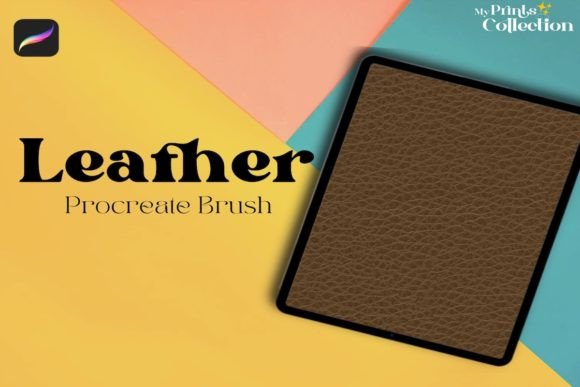
In the expansive universe of digital illustration, texture is often the differentiating factor between a flat, sterile image and a piece that breathes with organic life. While modern tablets offer pressure sensitivity and tilt recognition, replicating the tactile feel of traditional media remains a complex challenge. This is where specialized tools become indispensable. The Leather Single Procreate Brush emerges as a targeted solution for artists seeking to infuse their work with the rugged, sophisticated aesthetic of genuine leather. Unlike generic texture brushes that may appear repetitive or artificial, this specific tool is engineered to provide authentic grain patterns that respond dynamically to the artist’s hand.
For professionals working in fashion design, illustrators creating character assets, or hobbyists exploring mixed-media styles, understanding how to effectively integrate such specialized brushes can elevate the quality of digital output significantly. This article explores the technical nuances, practical applications, and workflow advantages of incorporating the Leather Single brush into your creative toolkit, ensuring you maximize its potential within the Procreate ecosystem.
The Anatomy of Authentic Digital Texture
Creating a convincing leather texture digitally requires more than just overlaying a static image. True realism comes from variation—imperfections, pores, wrinkles, and the way light interacts with the surface. The Leather Single Procreate Brush is designed with these micro-details in mind. It functions not merely as a stamp but as a dynamic painting tool that allows for controlled application of texture.
When you utilize this brush, you are leveraging a sophisticated algorithm that varies the opacity and flow based on your stylus pressure. This means that a light touch might produce a subtle, worn-in look, while heavier pressure yields a deeper, more pronounced grain. This level of control is crucial for artists who need to match the texture to the form of their subject. For instance, when drawing a leather jacket, the texture should stretch and compress around the elbows and shoulders. A static pattern cannot achieve this; however, a responsive brush like the Leather Single allows you to paint the texture directionally, mimicking the physical properties of the material.
Technical Specifications and Compatibility
Before integrating any new asset into your workflow, it is vital to understand the technical requirements. The Leather Single Procreate Brush is distributed as a .brushset file, which is the native format for Procreate brush libraries. This ensures seamless installation and optimal performance within the app.
- Software Requirement: You must have the Procreate App version 5 or higher installed on your iPad. Older versions may lack the rendering engine capabilities required to process the complex texture maps embedded in the brush.
- Hardware: While compatible with all iPads that run Procreate 5+, an Apple Pencil (or a high-quality capacitive stylus with pressure sensitivity) is highly recommended to fully utilize the pressure-dependent features of the brush.
- Incompatibility Notice: It is important to note that this brush is not compatible with Photoshop or Illustrator. These programs use different brush engines and file formats (
.abrfor Photoshop). Attempting to import this file into Adobe software will result in errors or unrecognized file types. This specialization ensures that the brush is optimized strictly for the touch-based, gesture-driven interface of Procreate.
Practical Applications Across Creative Disciplines
The versatility of the Leather Single brush extends beyond simple background textures. Its utility spans various creative fields, offering unique benefits depending on the user’s intent. By examining specific use cases, we can better understand how to apply this tool effectively.
Fashion and Product Design
For fashion illustrators and product designers, accuracy is paramount. When sketching handbags, wallets, shoes, or jackets, the material definition is often the focal point of the design. Using the Leather Single Procreate Brush allows designers to quickly visualize how different leather finishes might look on a product. Instead of spending hours manually painting individual pores, the artist can block in the shape and then apply the leather texture to establish the material identity instantly. This accelerates the concept phase, allowing for rapid iteration of designs before moving to detailed rendering.
Character Illustration and Concept Art
In character design, accessories tell a story. A warrior’s bracers, a detective’s trench coat, or a steampunk adventurer’s satchel all benefit from realistic texturing. The Leather Single brush helps ground fantastical characters in reality by providing tangible, recognizable materials. Furthermore, it can be used creatively for non-leather elements. By adjusting the color and blending modes, artists can use the grain structure to create reptilian skin, aged parchment, or even rough stone surfaces, demonstrating the brush's adaptability beyond its primary naming convention.
Typography and Lettering
Digital lettering artists often seek ways to break the perfection of vector-like lines. Adding a leather texture to brush lettering can evoke a sense of vintage craftsmanship or luxury branding. By using the Leather Single Procreate Brush on a clipping mask over text, creators can add depth and interest without obscuring the legibility of the letters. This technique is particularly effective for logos, book covers, and poster designs where a tactile, premium feel is desired.
Workflow Integration and Best Practices
To get the most out of the Leather Single Procreate Brush, it is essential to adopt a workflow that complements its strengths. Simply selecting the brush and scribbling may not yield the best results. Here are some professional observations on how to integrate this tool into your daily practice.
- Layer Management: Always apply texture on a separate layer. This non-destructive approach allows you to adjust the opacity, blend mode, or erase parts of the texture without affecting the underlying line art or base colors. Using a "Multiply" or "Overlay" blend mode often yields the most natural integration with base colors.
- Color Variation: Leather is rarely a single flat color. Use the color picker to sample shadows and highlights from your base illustration. Paint the leather texture using slightly darker tones for creases and lighter tones for raised areas. The brush’s transparency will allow these nuances to build up gradually.
- Combining with Other Tools: The Leather Single brush works best when combined with Procreate’s smudge tool and eraser. After applying the texture, use a soft eraser to fade edges where the leather would naturally wear down. Use the smudge tool to blend harsh transitions, creating a more organic flow to the grain.
- Reference Observation: Keep reference images of real leather nearby. Observe how light hits the grain. Notice that smooth leather has finer, less visible pores, while distressed leather has larger, irregular patterns. Adjust your brush size accordingly—smaller for fine grain, larger for rugged textures.
Enhancing Creativity Through Specialized Tools
The inclusion of a specific tool like the Leather Single Procreate Brush in your library is not just about saving time; it is about expanding your creative vocabulary. When artists have access to high-quality, specialized assets, they are more likely to experiment with materials they might otherwise avoid due to the technical difficulty of rendering them manually.
This democratization of complex textures allows hobbyists to achieve professional-grade results and enables seasoned professionals to focus more on composition and storytelling rather than tedious texturing tasks. The brush serves as a bridge between the digital and physical worlds, bringing the warmth and imperfection of analog materials into the clean environment of digital art.
Moreover, watching the video provided in the listing of this brush can offer visual guidance on stroke techniques and settings adjustments that text alone cannot convey. Visual demonstrations often reveal subtle nuances in angle and speed that can dramatically change the output of the brush. Taking the time to study these demonstrations can shorten the learning curve and help you master the tool more quickly.
Conclusion on Utility and Value
In conclusion, the Leather Single Procreate Brush represents a focused, high-value addition to any digital artist’s arsenal. Its compatibility with Procreate version 5 and above ensures it leverages the latest rendering technologies, while its exclusion from other platforms like Photoshop underscores its specialized optimization for iPad users. Whether you are designing luxury goods, illustrating fantasy characters, or adding depth to typographic works, this brush provides the necessary granularity and authenticity to enhance your artwork.
By understanding its mechanics, respecting its technical requirements, and applying it with thoughtful workflow strategies, artists can unlock new levels of realism and creativity. The key lies not just in possessing the tool, but in understanding how to wield it to serve the narrative and aesthetic goals of your unique projects. As digital art continues to evolve, tools that bridge the gap between virtual precision and organic imperfection will remain essential for creating compelling, resonant visual experiences.